The View from the Taiwan Side
From the perspective of an elementary school teacher in Taiwan—a report on cross-cultural architecture education, on the three-day space camp of July.
Why we wanted to bring architecture education into Taiwan's elementary classrooms
The idea for this camp grew from the exchange in spring 2026, when children from Taiwan visited Kagawa and Naoshima in Japan. It was then that we first felt deeply that architecture is not only a professional field, but can also become a medium through which children come to know the world, express themselves, and understand others.
Elementary education in Taiwan has long valued reading, art, natural science, mathematics, and life education—yet “architecture and space” has rarely become an independent, self-contained theme of learning. Children live every day inside classrooms, libraries, corridors, homes, and cities, and still they had not necessarily been guided to ask: why was this space designed this way? For whom does it exist? What feelings does a different design give a person?
And so we hoped to start from the “library,” the place children know best, and let them look again at the living environment they take for granted. The main aim of this project was not to raise future architects. It was, through architecture and space, to nurture children's powers of observation, sensitivity, expression, judgment, and creativity. At the same time, to connect the outdoor education, reading education, STEAM, and cross-cultural exchange the school is already advancing—so that separate domains would answer, together, the real questions of real life.
What we hoped for was that in these three days, the children would not merely “make one work,” but live through a complete process of learning: beginning from observing real space, passing through measuring, recording, discussing, and imagining, and at last turning their own ideas into a design others can understand.
The shock a Japanese architect's way of teaching gave to Taiwan's teachers
For Taiwanese teachers, the greatest lesson of this collaboration was not how much architectural knowledge increased, but rethinking the teacher's position in the classroom.
In Taiwan's classrooms, teachers—worried that a child won't know how, won't do it well, or won't finish in time—tend to prepare examples in advance, break the steps down finely, and tell children clearly how to proceed. This raises the completion rate, but it can also, without our noticing, narrow the room for children to think and to choose.
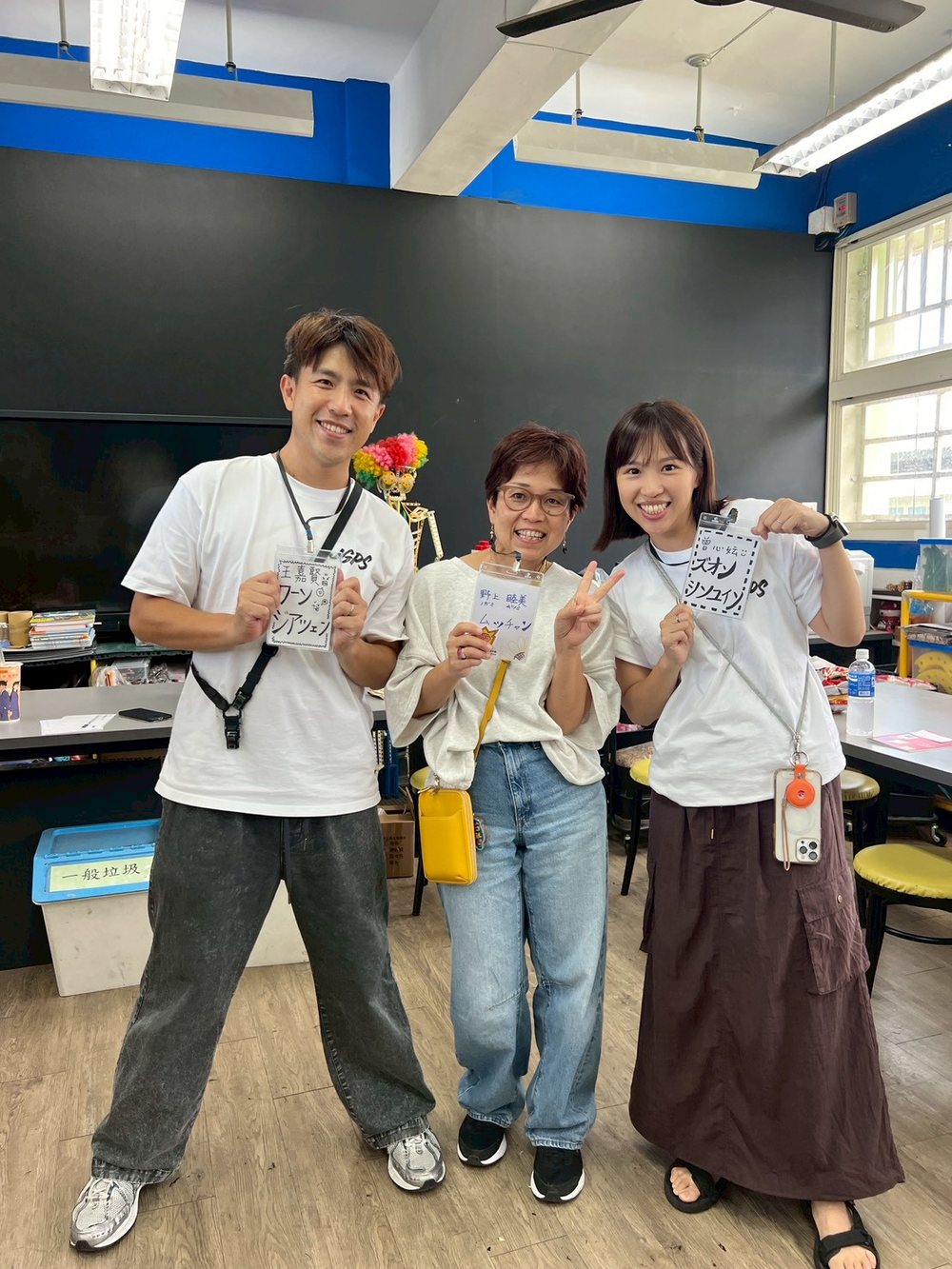
Ms. Nogami's way of teaching was very different from the classes we were used to. When a child asked a question, she didn't rush to give an answer; she often asked back, “What do you think?” When a child hit a wall of structure, she didn't finish it for them, but offered several possible ways and let the child choose. She respected every idea that looked strange, unripe, or hard to realize, and by staying alongside, let each child slowly find their own way to a solution.
This made us realize anew that “not teaching right away” does not mean the teacher is doing nothing. On the contrary, the teacher must observe even more closely what each child truly needs right now—knowledge, technique, encouragement, waiting, or a chance to think again.
This camp taught us: when a teacher has the courage to step back, the child, for the first time, gets the chance to step forward.
In Taiwan's classrooms from now on, we hope to reduce over-demonstration and answers given too soon, and give students more time to observe, try, fail, revise, and choose. Because real creativity comes not from imitating a finished work, but from continuing to think and act even in the face of the unknown.
A child's true change shows not only in the work
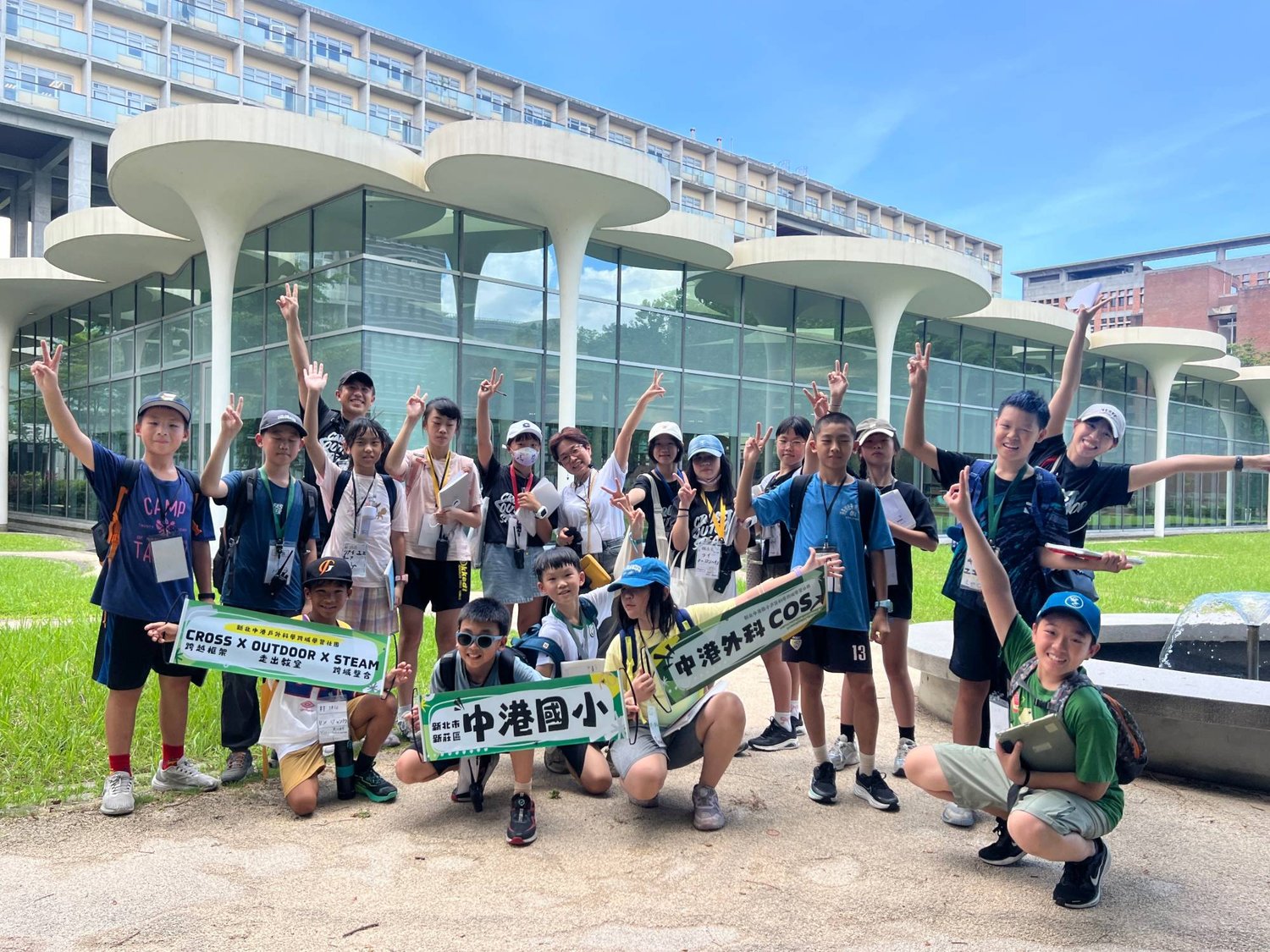
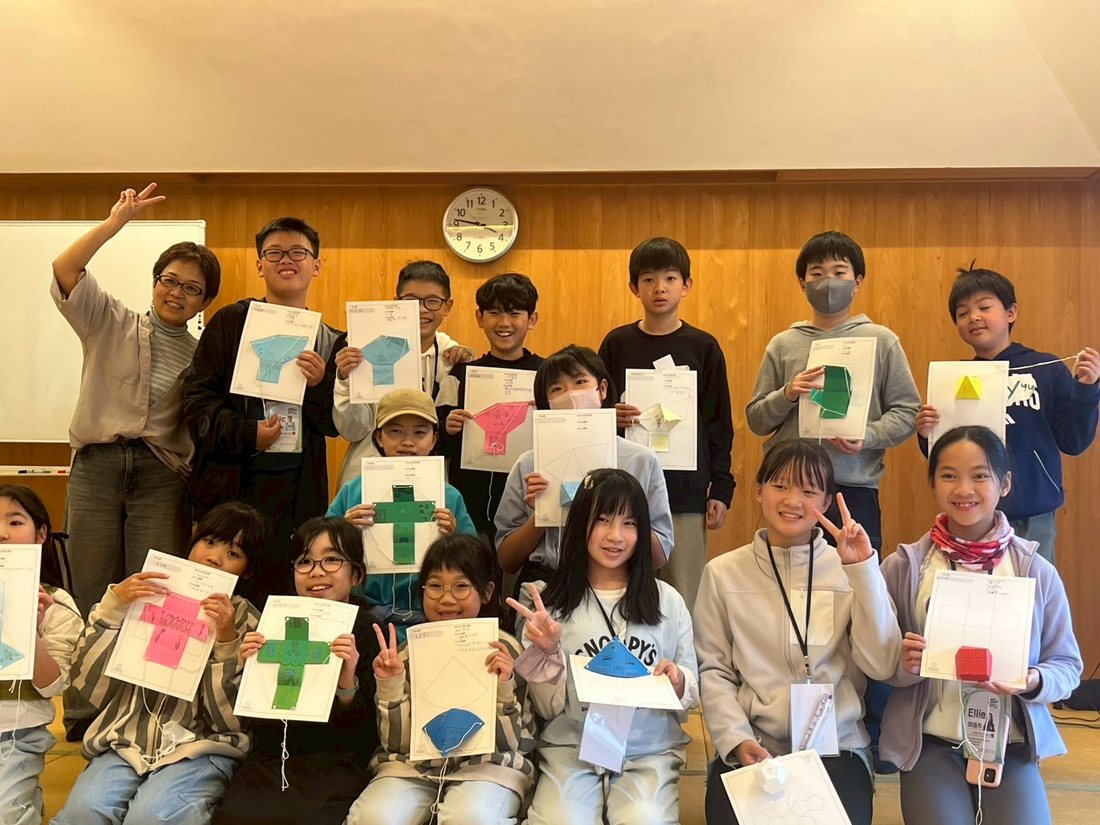
When the three-day camp ended, what moved us most was not that the children completed sixteen distinctive library models, but that we witnessed their attitude toward learning beginning to change.
On the first day, in self-introductions and sharing, some children still seemed shy—their voices small, unsure whether their own ideas were worth speaking aloud. By the third day, they were seeking out the instructor's help on their own, asking questions of their peers, and standing before everyone to introduce their own work.
Through the making, the children also gradually understood that true design does not succeed on the first try. The idea drawn on paper, once it enters three-dimensional making, may not be realizable as is, because of material, structure, and scale. A child has to dismantle, reinforce, simplify, adjust—sometimes even give up the part they liked best. These experiences let them begin to understand that revision is not failure, but a process creation must pass through.
We also saw that, once children knew there was no single correct answer in class, they began to trust their own ideas. Some designed reading spaces connected to nature; some imagined a library where you don't need to read; some placed play, Go, math, rest, and exchange into their own space. These works differ not only in form—each is that child's own answer to “what a library can be.”
From guardians' later sharing, we learned that some children, back home, spoke of Toyo Ito, of natural lighting, of rooftop grass and building materials; some began to notice special architecture when out; some, finding an architecture book at a museum, immediately thought of the camp. These changes let us believe that learning that truly matters is not what a child memorized in class, but whether, after the program ends, the way they see the world has changed.
The value of this program, seen from Taiwan's classrooms
Reading a picture book and drawing the cross-section of a home—this is reading and spatial imagination. Drawing the floor plan of a library and measuring things with the body—this is mathematics, scale, embodied experience. Going to National Taiwan University, searching out architecture by map and recording it—this is outdoor education, information literacy, teamwork. Creating a reading space from a discarded tape core—here STEAM, structure, sustainability, and design thinking are all present at once.
These domains were not taught separately; they arose naturally within the real task of “designing my own ideal library.” The school, the library, the city, architecture itself—all can become teaching material. That children discover this is the most important value.
Further, this program let us rethink “international education.” True international exchange is this: even when words don't fully get through, a child tries to understand the other, searches for a way to be understood, and in the process of accomplishing something together, discovers the differences and the things in common between them.
Operations and interpreting—between “making them understand” and “deliberately leaving it”
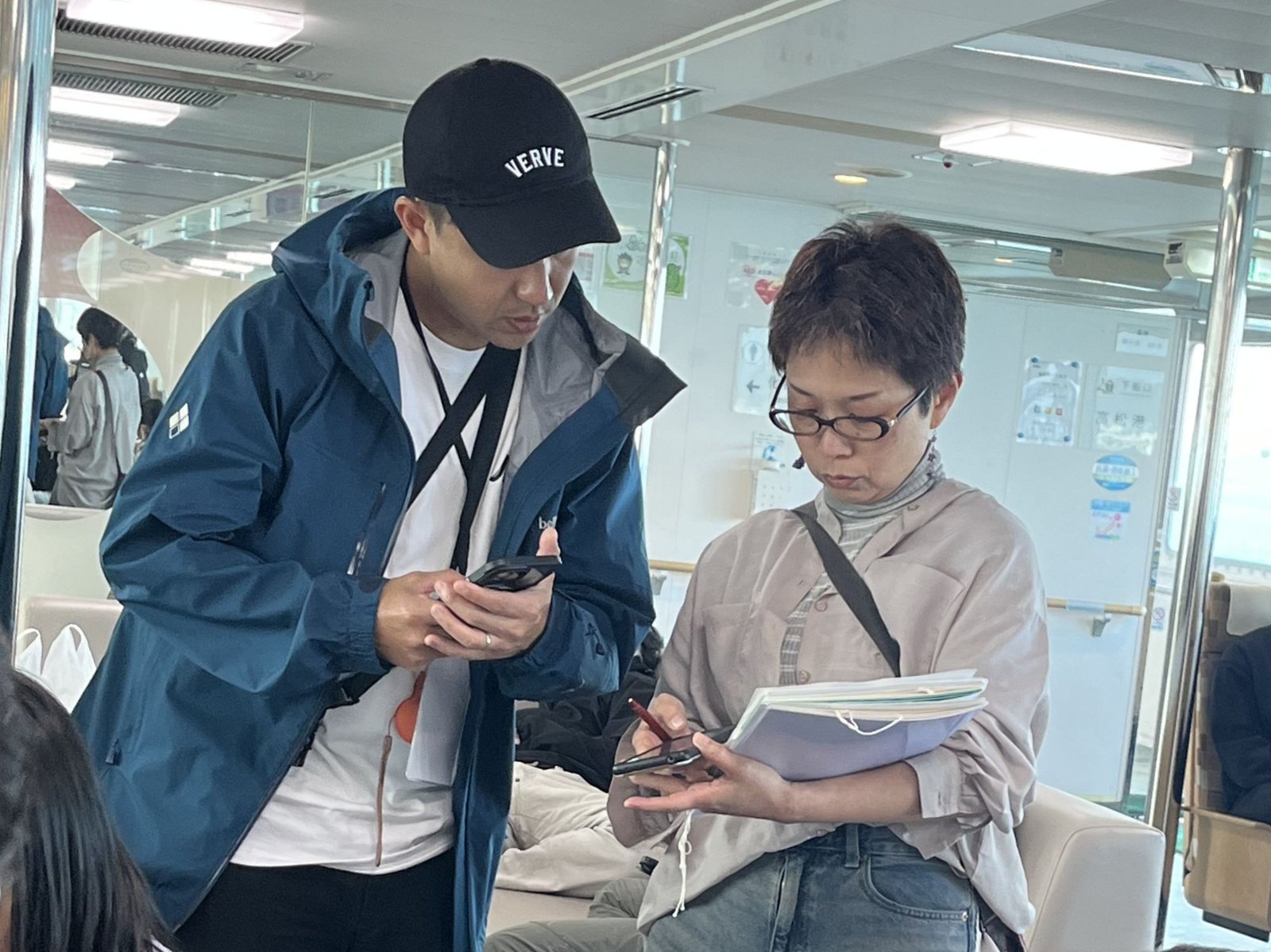
The interpreting in this camp was not merely the work of swapping Japanese for Chinese. If every word were translated at once, a child might only wait for the Chinese answer and stop observing and trying on their own. So the interpreter's role is closer to that of a “mediator.” They must keep choosing between making a thing understood and deliberately leaving it untranslated.
We were taught by the children too. A work, a gesture, a gaze, a demonstration, the translator, a drawing, moving our hands together—all of these become ways of exchange. When a child truly wants to know the other, they search out a way themselves; they don't stop engaging just because the language is different.
This is not one instructor coming to a school to give a lesson. It is an educational collaboration—one that needs many to design together, adjust on the spot, and learn from one another.
What we want to achieve together, from here
In these three days, we saw that architecture education could grow greatly in Taiwan's elementary schools. From now, rather than ending this collaboration as a one-time camp, we hope to develop it, step by step, into a children's architecture education program that Taiwan and Japan build together.
First, we want to continue the mutual visits of Taiwanese and Japanese children. Next, we want to organize this experience into a curriculum framework that even teachers without an architecture background can use. What we hope for is not only that children learn to design space—it is that, through space, they learn to understand people.
And so, in the end, architecture education is not only a story about architecture. It is a guide—so that children learn to observe the world, learn to understand others, and come to believe that they, too, have the power to take part in creating the living environment of the future. This is the direction we wish to keep practicing together with Ms. Nogami.